

High Weed End Blog
‘I was trapped’, ‘he stole my childhood’: Epstein survivors are still telling their stories. Here’s what they say
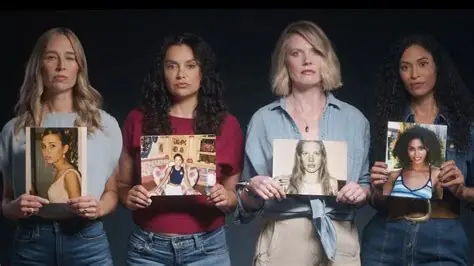
Feb
In recent weeks, renewed attention has followed the testimony of Rina Oh, who spoke publicly for the first time about what she endured in the late 1990s.
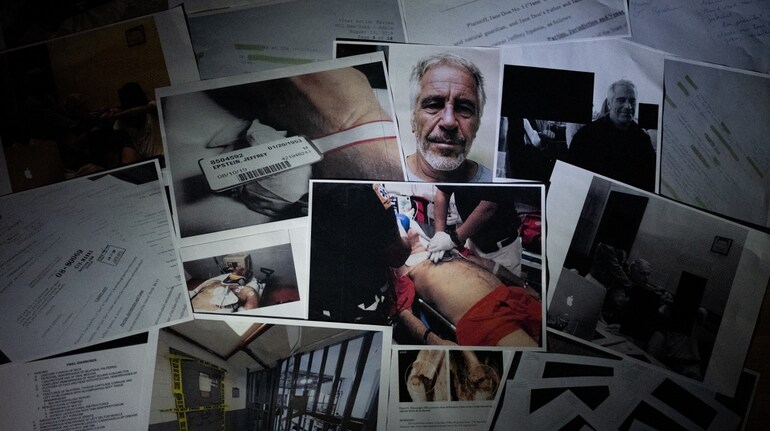
This photograph taken in Le-Perreux-sur-Marne, outside Paris on February 9, 2026 shows undated pictures provided by the US Department of Justice on January 30, 2026 as part of the Jeffrey Epstein files. (Photo by Martin BUREAU / AFP)
For survivors of Jeffrey Epstein’s abuse network, the passage of time has not brought closure. Instead, it has opened space for voices long suppressed by fear, manipulation and power. As court records, investigative reports and survivor testimonies continue to surface, a grim pattern emerges. Epstein’s crimes were not isolated acts of sexual violence. They were systematic, calculated and deeply psychological, leaving scars that reshaped lives long after the abuse ended.
In recent weeks, renewed attention has followed the testimony of Rina Oh, who spoke publicly for the first time about what she endured in the late 1990s. Her account mirrors those of many survivors who say Epstein exploited ambition, vulnerability and trust to lure young women into his control.
Oh said Epstein initially framed his interest as benevolent. “I’m offering you a scholarship with no strings attached, and you never have to see me again,” he told her. According to Oh, the promise quickly collapsed into pressure and coercion. When she resisted further contact, the financial support was withdrawn, reinforcing her dependence and isolation.
She described being taken to Florida and left without money or a way to leave. “I was trapped,” Oh said, recounting how Epstein threatened her with physical harm if she spoke out. She stressed that the damage extended far beyond physical abuse, describing it as “psychological, emotional… devaluation.”
